

Six Small Signs You Shouldn’t Ignore
Your home has its own way of communicating with you. Not with words, of course, but with the small signs.
- A room that never seems to be quite comfortable enough.
- A faucet that suddenly starts dripping.
- Utility bills are little higher than usual.
- Or a strange sound from your water heater.


These small occurrences are easy to overlook, but they are often your home’s way of letting you know something needs attention.
After weeks of summer heat & humidity, afternoon thunderstorms, and high humidity here along the Grand Strand, your plumbing and HVAC systems have been working overtime. Paying close attention to these little clues today can often help prevent larger problems down the road.
Here are six signs your home may be trying to alert you to.
1. Your Air Conditioner Just Can’t Keep Up

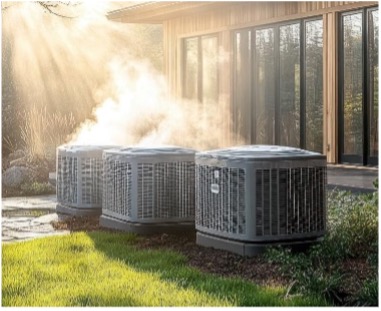
If your home never seems to reach the temperature you set, or your HVAC system seems to constantly be running; it may be working harder than it should.
Restricted air flow, a dirty air filter, clogged condenser coil, or normal wear can all reduce efficiency and make your equipment struggle during the hottest part of the year.
2. You Are Seeing Water Where It Doesn’t Belong

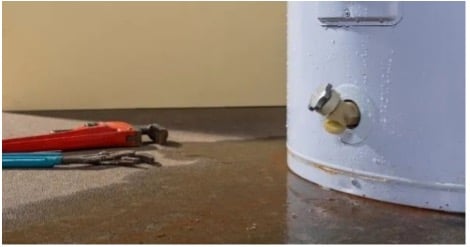
Summer humidity and rain often find homeowners noticing moisture they may have overlooked before.
Water around your water heater, damp cabinets beneath sinks, stains on your ceilings and walls, or moisture around your indoor HVAC equipment should never be ignored. Small leaks rarely remain small and catching them can help prevent more expensive repairs.
3. Your Utility Bills Jump Up


If your energy or water bill is noticeably higher than usual, your home may be trying to warn you.
An HVAC system working overtime, a hidden plumbing leak, or equipment that is no longer operating at peak efficiency can quietly increase monthly utility bills. Before assuming it is simply due to the summer heat, it may be worth taking a closer look.
4. Your Home Feels More Humid Than Normal
Your air conditioner does more than just cool your home; it also removes humidity from the air.
If your home feels damp, sticky, or uncomfortable, your HVAC system may not be operating as efficiently as it should. Excess humidity can also contribute to musty odors, health concerns, and reduced indoor air quality.
5. Something Seems Different About Your Water or Your Drains Are Slowing Down
If you have noticed changes in your water’s taste, odor, spotting on your dishes, or mineral buildup on your fixtures, it may be time to learn more about your home’s water quality.
Understanding what is in your water is the first step toward determining whether a whole-home water filtration system is right for you and your family.
A slow drain could be a sign that something is beginning to build-up inside your plumbing. Recurring clogs, slow drainage, or unpleasant odors may be an indication that your drains need attention. Do not allow a small inconvenience to become a larger plumbing issue.

6. Something Just Doesn’t Feel Right
Sometimes there isn’t an obvious problem, just a feeling.
Perhaps your water heater is making a new or different sound.
Maybe one room is always warmer/colder than the others.
Recently your plumbing has started making noises you haven’t heard or noticed before.
No one knows your home better than you! Trust your instincts. If something seems different or off, it is worth asking questions and vetting out before a small concern becomes an unexpected repair.
Our Adivce


After serving homeowners and businesses along with Grand Strand for more than 20 years, there are a few things we have learned that we want to share with you:
Your home gives you plenty of warning signs before something fails. The challenge is, knowing which signs can wait and which signs matter. This is why we encourage you to ask questions. Sometimes the solution will be simple. Sometimes it is preventative maintenance. Other times, your peace of mind is simply having a trusted professional come to your home and inspect your plumbing & HVAC systems.
Our goal is not to sell you something you do not need. It is to help and educate you to better understand your home’s systems so you can make informed decisions with confidence.