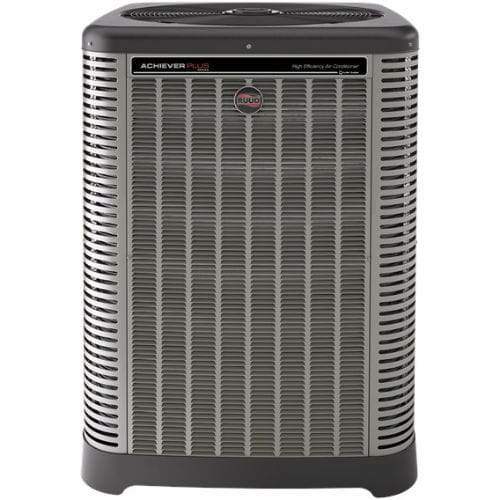
Living near the ocean has plenty of upsides. Your air conditioner might not agree. If you’ve noticed the outdoor unit looking rough after just a few years, you’re not imagining it. Salt air is one of the main reasons AC systems in Myrtle Beach and along the Grand Strand wear out sooner than the same equipment would inland. The good news is that a few simple habits, plus the right choices when it’s time to replace, can make a real difference.
How Salt Air Affects Your AC in Myrtle Beach
Ocean waves and wind throw tiny droplets of salt water into the air. Those droplets can travel inland on the breeze before settling on whatever they land on, including the outdoor half of your air conditioner or heat pump.
The outdoor unit is built to pull a lot of air across its coil, which also means it pulls in a steady supply of salt. The coil is made of copper tubing surrounded by thin aluminum fins, and salt combined with our humidity creates the conditions for corrosion between those metals. Over time:
- The fins corrode and flake away. Fins carry heat away from the refrigerant. When they deteriorate, the system has a harder time releasing heat, so it runs longer and uses more electricity to cool the house.
- The coil can develop pinhole leaks. Corrosion can eventually eat through the tubing and let refrigerant escape. Low refrigerant means weaker cooling, a possible frozen indoor coil, and added strain on the compressor.
- Electrical parts and connections suffer. Salt and moisture corrode terminals, wiring connections and the cabinet itself, which can lead to intermittent problems that are hard to pin down.
How fast this happens depends on how close you are to the water, which direction the unit faces, how much wind it gets and how well it’s maintained. A home on the oceanfront in Garden City or North Myrtle Beach will usually see more salt exposure than one in Conway or Loris. Homes near the marsh, the inlets and the Intracoastal Waterway can also see some effect.
Signs Salt Is Taking a Toll
Walk out and take a look at your outdoor unit. Watch for:
- White, chalky or powdery buildup on the fins or cabinet
- Fins that look green, gray, crumbly or are missing in patches
- Rust on the cabinet, base, screws or brackets
- Oily spots on the coil or around the lines, which can point to a refrigerant leak
- Longer run times or a house that takes longer to cool than it used to
- Rising power bills during the summer
- Ice on the refrigerant lines or indoor coil
A unit can look rough on the outside and still work fine, and early corrosion isn’t always obvious. If you’re unsure, a technician can check how the coil is performing during a routine visit.
What Homeowners Can Do
You can’t stop salt from reaching your yard, but you can limit how long it sits on your equipment.
Rinse the outdoor coil
Gently rinsing the outdoor coil with fresh water from a garden hose helps wash salt off before it does damage. Many coastal homeowners do this regularly during the cooling season, and after storms or windy stretches that blow in more spray.
- Turn the power off first, at the thermostat and at the outdoor disconnect.
- Use a regular garden hose spray, not a pressure washer. High pressure bends the fins and can force water into electrical parts.
- Spray in a gentle, sweeping motion along the direction of the fins.
- Avoid spraying directly into electrical panels or the top fan motor.
- Let the unit dry for a bit before turning it back on.
Keep the area around the unit clear
Leave a couple of feet of open space around the outdoor unit so air can move freely. Trim back shrubs, rake away leaves and pine straw, and keep sand from piling up against the base. Good airflow means the system doesn’t have to work as hard.
Be careful with covers
Covering the outdoor unit while it’s running can damage it. Even in the off-season, a full cover can trap moisture and salt against the metal. If you’re thinking about a cover, ask a technician what makes sense for your equipment.
What Helps at the Equipment Level
Some of the biggest gains come from decisions a technician can help you make.
- Professional coil cleaning: during AC maintenance, a technician cleans the coil more thoroughly than a hose rinse can and checks electrical parts and connections for corrosion before they fail.
- Coastal-minded equipment: when it’s time for a new system, ask about coil protection options and coatings designed to better resist corrosion near the coast. Placement matters too. Where the unit sits can affect how much spray it collects.
- Catching leaks early: a refrigerant leak found early can sometimes be repaired. One found late may mean a coil replacement or a new system.
A maintenance plan makes it easier to stay on schedule. The Dependable Comfort Club is our membership for regular service, which suits coastal homes where systems work hard most of the year.
Repair or Replace a Corroded Unit?
Corrosion alone doesn’t always mean you need a new system. If the coil still performs and there are no leaks, cleaning and regular rinsing may be enough. If the coil is leaking on a younger system, a coil repair or replacement may make sense.
Replacement is worth discussing when the system is older, the coil is badly corroded or leaking, the compressor is struggling, or repairs keep stacking up. We’ll walk you through both paths honestly. Learn more about AC repair, AC installation and replacement, and financing options. If your home uses a heat pump, the same salt concerns apply, so see our heat pump service page as well.
When to Call a Technician
Call for service if the house isn’t cooling like it used to, you see ice or oily residue on the lines, the outdoor unit hums but won’t start, or the fins are visibly crumbling.
If you’re concerned about salt air and your AC in Myrtle Beach, Surfside Beach, Garden City, Murrells Inlet, Pawleys Island or anywhere on the Grand Strand, call Dependable Service Plumbing & Air at (843) 353-0461, Monday through Friday, 7:00 am to 5:00 pm, or contact us online.
Frequently Asked Questions
How often should I rinse my outdoor AC unit?
It depends on how close you are to the ocean. Homes near the beach benefit from rinsing regularly during the cooling season and after storms or windy periods. A technician can suggest a routine for your location.
Can I use a pressure washer on my AC?
No. High pressure bends the fins and can push water into electrical parts. Use a regular garden hose with gentle pressure.
Do homes inland in Conway or Loris need to worry about salt air?
Salt exposure is usually much lower inland. Those homes still benefit from regular maintenance because of our long cooling season and high humidity.
Is there such a thing as a coastal-rated AC?
Some equipment offers coil coatings or designs meant to better resist corrosion. Ask during your estimate what options are available for your home.